Using a Collaborative Structure to Address a Regional Challenge
May 20, 2016 Heather Braun, Katherine Hollins (Great Lakes Commission) A new paper was recently published showcasing the use of the collective impact framework to guide the Great Lakes Phragmites Collaborative (GLPC). The GLPC, established in 2012, is a regional-scale... Continue ReadingFiled under: collaborative Collective Impact GLRI partnerships Research
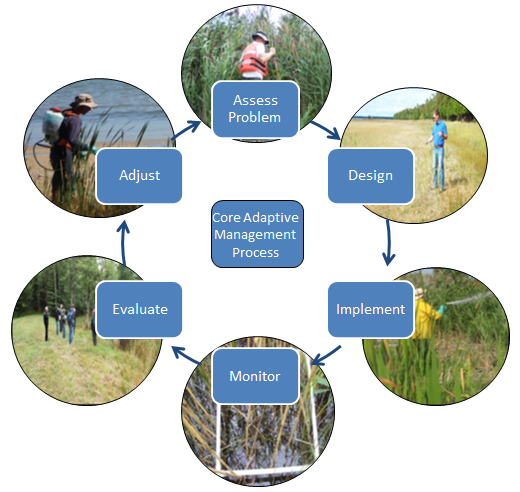
Introducing the Phragmites Adaptive Management Framework (PAMF) Initiative
February 24, 2016 Abram DaSilva and Kurt Kowalski (USGS), Danielle Haak and Clint Moore (University of Georgia) Adaptive management is a type of structured decision-making that confronts and potentially reduces management uncertainty of a particular problem (Figure... Continue ReadingFiled under: adaptive management management monitoring Research
Water Levels are an Unforeseen Ally in Northern Michigan De-Phragging Efforts
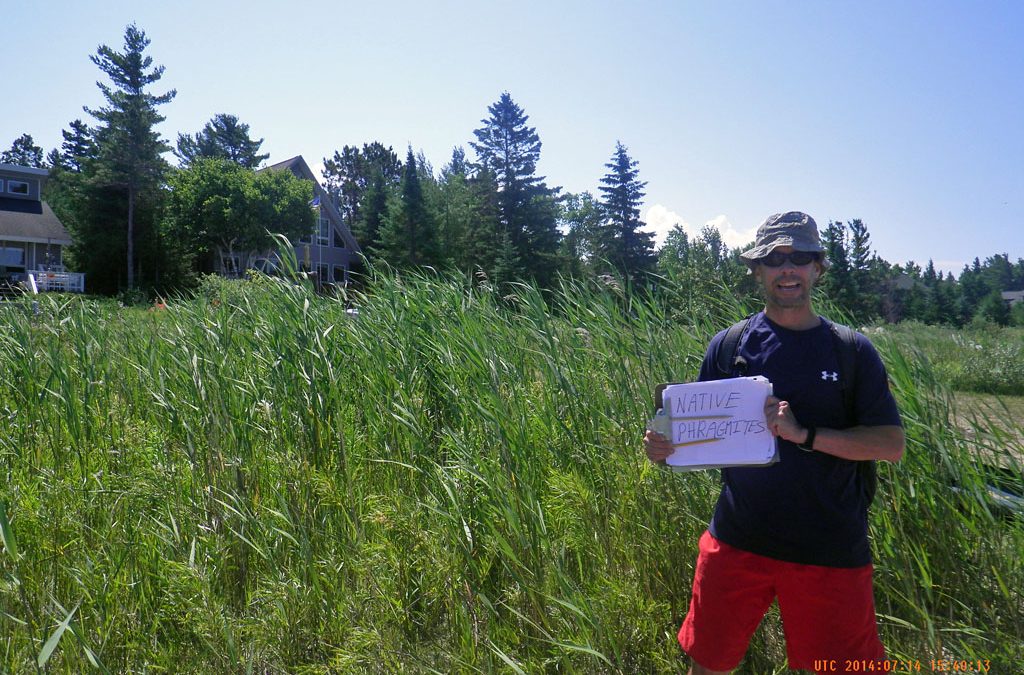
January 28, 2016 Kevin Cronk, Tip of the Mitt Watershed Council Gradually and subtly, non-native Phragmites crept into Michigan’s Northern Lower Peninsula, under the radar of many local natural resource managers and residents. Staff at the Tip of the Mitt Watershed... Continue ReadingFiled under: Department of Natural Resources herbicide management Michigan native phragmites
2015 GLPC Survey Results
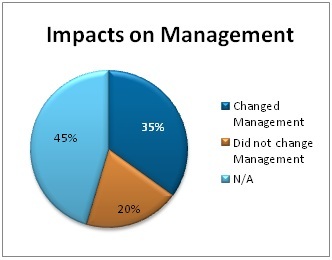
December 23, 2015 Sarah Cook and Katherine Hollins Thanks again to everyone who participated in our survey earlier this year! Included in this blog are the results of that survey and information about the GLPC as a whole. Your feedback has been crucial in helping us... Continue Reading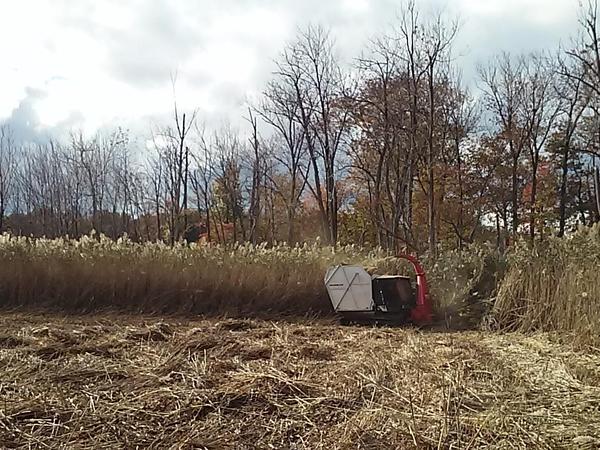
Restoring Great Lakes coastal wetlands through invasive plant harvesting and biomass utilization
November 19, 2015 Shane Lishawa, Loyola University Chicago; Dennis Albert, Oregon State University; Beth Lawrence, University of Connecticut; Linda Sekura, Cleveland Museum of Natural History contractor Our collaborative team of researchers and restoration... Continue ReadingFiled under: biosolids Disposal Michigan Ohio Research wetlands
Managing Non-Native Phragmites for Habitat Restoration in the Detroit River and Western Lake Erie
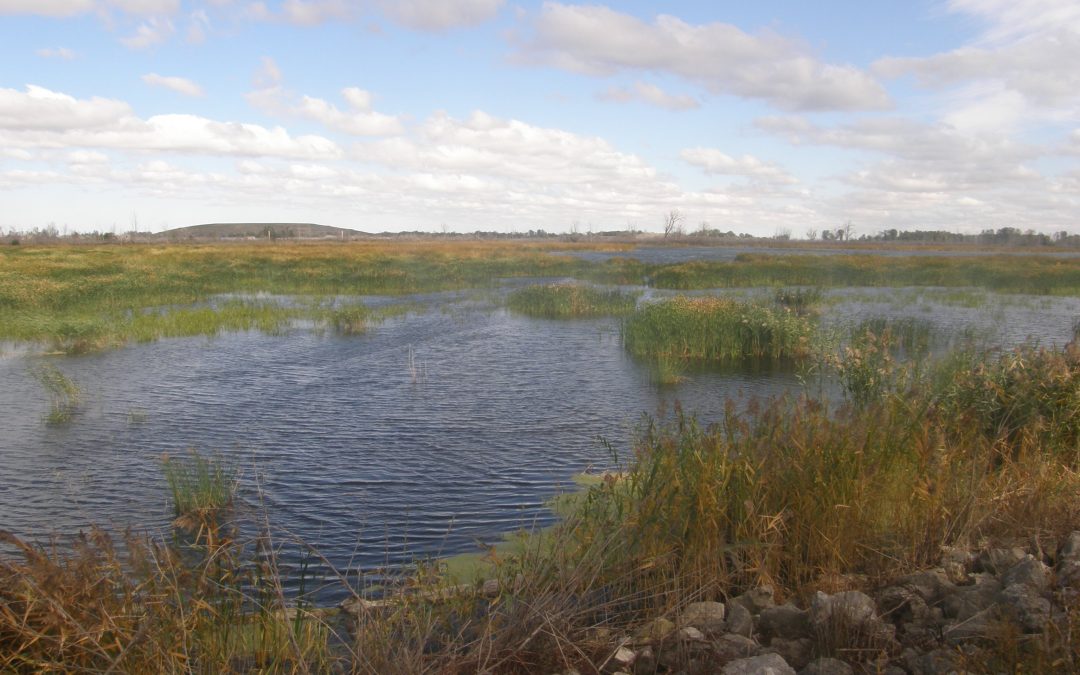
October 27, 2015Nicole LaFleur, Greg Norwood, and Jake Bonello (USFWS)Non- native Phragmites is not a new concern in the Detroit River and Western Lake Erie Cooperative Weed Management Area (CWMA): managers have been treating Phragmites and restoring habitats within... Continue ReadingFiled under: CISMA herbicide management Michigan TNC
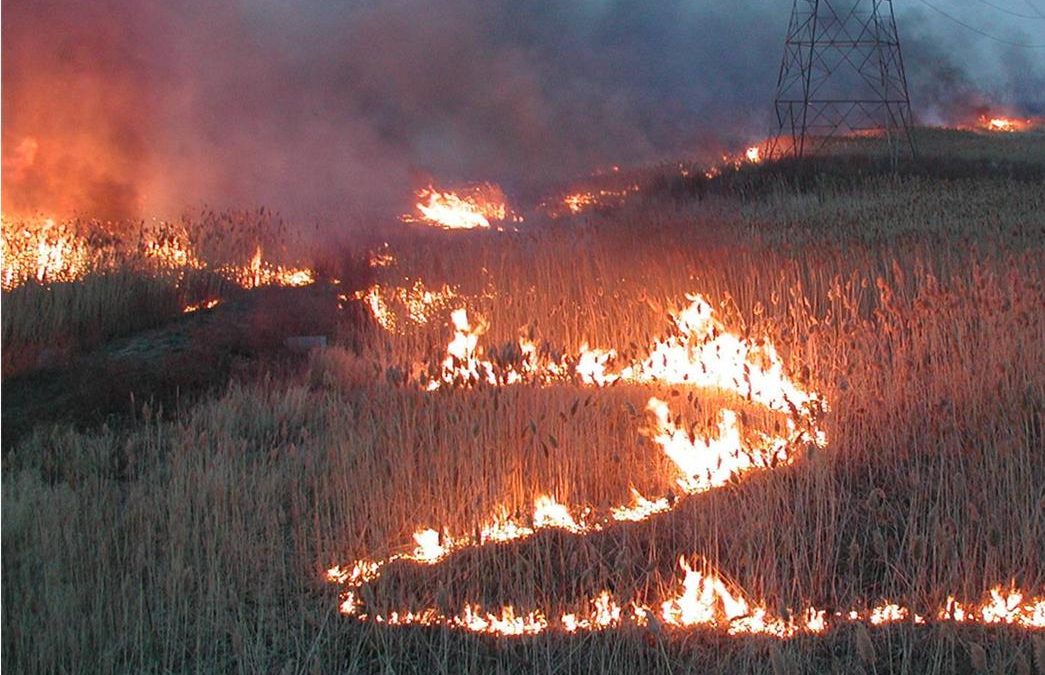
What to do with all that Biomass?
September 16, 2015Kimberly Bourke, U.S. Geological Survey, ContractorNon-native Phragmites australis dominates inland and coastal wetlands as well as other wet areas, such as roadside ditches, throughout the Great Lakes region. Management of non-native Phragmites... Continue ReadingFiled under: biosolids Disposal herbicide management prescribed fire Research U.S. Geological Survey
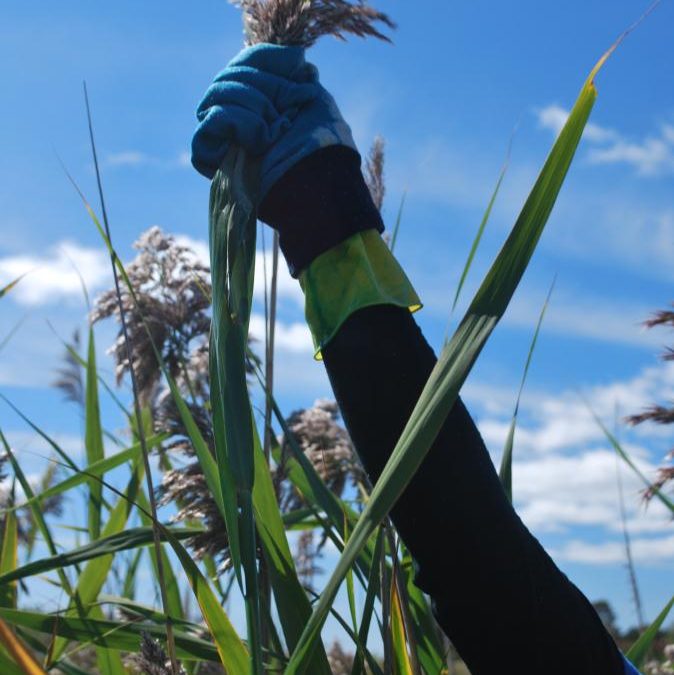
Upcoming funding opportunity: Great Lakes Restoration Initiative
The Great Lakes Restoration Initiative is now inviting applications for competitive grant funding. Through the 2014 competitive grant process, the GLRI spent more than $5 million to prevent and control invasive species in the Great Lakes, including many of the... Continue ReadingFiled under: funding habitat restoration
Native vs Non-Native Phragmites
July 13, 2015 Kimberly Bourke, U.S. Geological Survey, Contractor Wesley Bickford, U.S. Geological Survey, Pathways Trainee, PhD student at University of Michigan Although non-native Phragmites australis reigns supreme in terms of publicity, it is important... Continue ReadingFiled under: management monitoring native phragmites Research U.S. Geological Survey