by boxcar-admin | Oct 27, 2015 | Blog
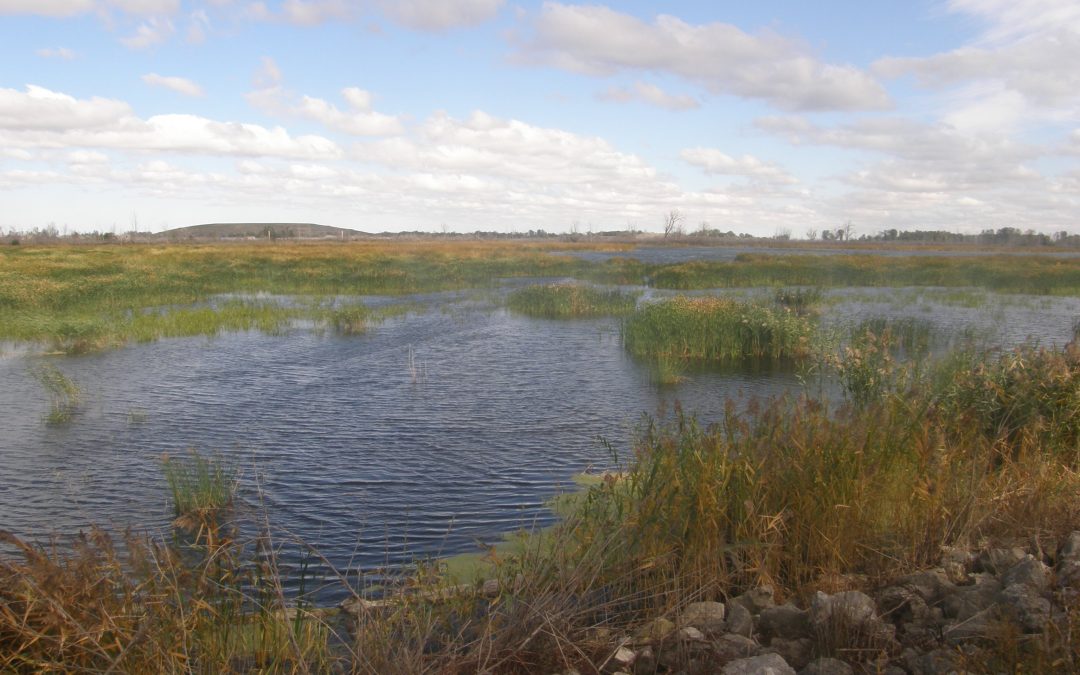
October 27, 2015Nicole LaFleur, Greg Norwood, and Jake Bonello (USFWS)Non- native Phragmites is not a new concern in the Detroit River and Western Lake Erie Cooperative Weed Management Area (CWMA): managers have been treating Phragmites and restoring habitats within... Continue Reading
Filed under: CISMA herbicide management Michigan TNC
by boxcar-admin | Sep 16, 2015 | Blog
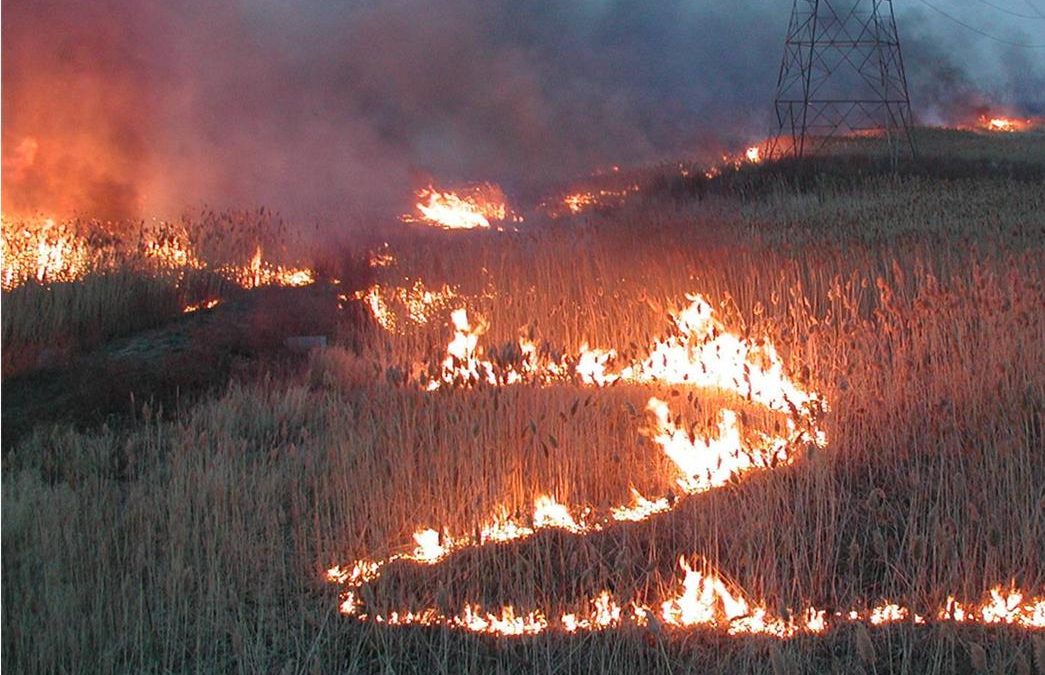
September 16, 2015Kimberly Bourke, U.S. Geological Survey, ContractorNon-native Phragmites australis dominates inland and coastal wetlands as well as other wet areas, such as roadside ditches, throughout the Great Lakes region. Management of non-native Phragmites... Continue Reading
Filed under: biosolids Disposal herbicide management prescribed fire Research U.S. Geological Survey
by boxcar-admin | Aug 26, 2015 | Blog, News
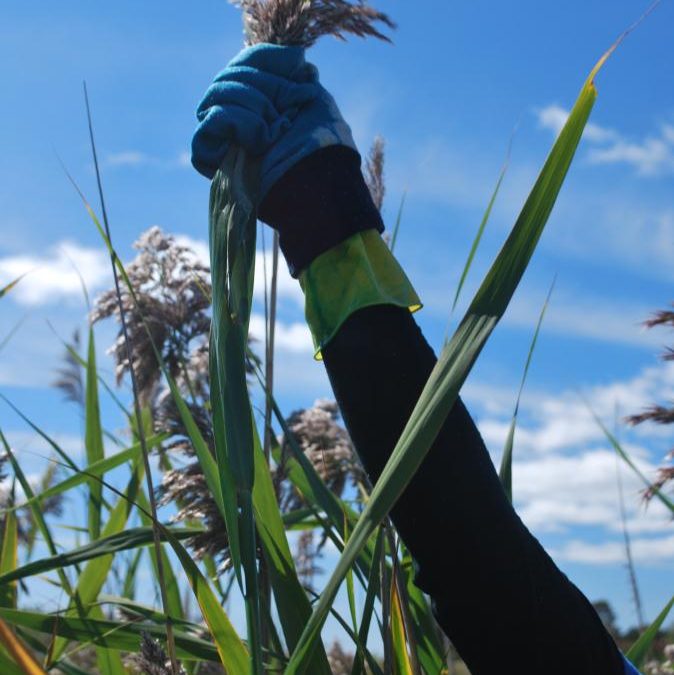
The Great Lakes Restoration Initiative is now inviting applications for competitive grant funding. Through the 2014 competitive grant process, the GLRI spent more than $5 million to prevent and control invasive species in the Great Lakes, including many of the... Continue Reading
Filed under: funding habitat restoration
by boxcar-admin | Jul 13, 2015 | Blog
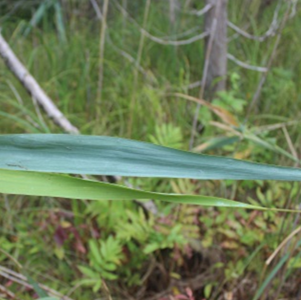
July 13, 2015 Kimberly Bourke, U.S. Geological Survey, Contractor Wesley Bickford, U.S. Geological Survey, Pathways Trainee, PhD student at University of Michigan Although non-native Phragmites australis reigns supreme in terms of publicity, it is important... Continue Reading
Filed under: management monitoring native phragmites Research U.S. Geological Survey
by boxcar-admin | Jun 1, 2015 | Blog
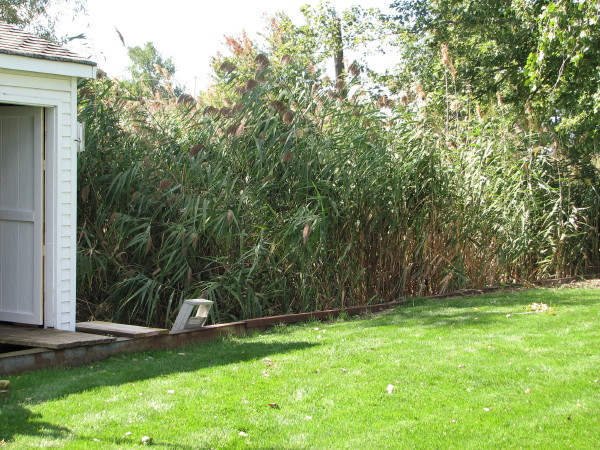
June 1, 2015 Bob Williams, Phragmites.org When I began invasive Phragmites management on my property about ten years ago, the only available advice for treatments came from government agencies treating large scale properties. It was great advice, based on decades of... Continue Reading
Filed under: herbicide landowners management Michigan volunteers

by boxcar-admin | May 26, 2015 | Blog
May 26, 2015 Bob Williams, Phragmites.org The biggest problem I have encountered when trying to manage invasive Phragmites occurs after the first year of treatment, because the second and third years require more specific treatment. The first year is easy, because... Continue Reading
Filed under: herbicide landowners management Michigan
by boxcar-admin | May 18, 2015 | Blog
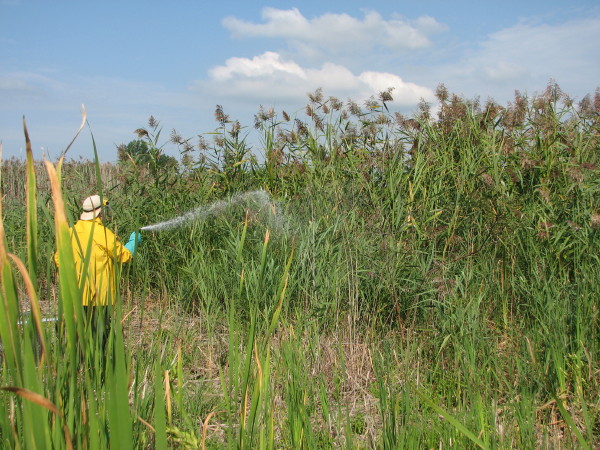
May 18, 2015 Bob Williams, Phragmites.org Some people believe that cutting invasive Phragmites helps it grow because the stand looks healthier; you see green growth, the brown dead material is all gone and the stand looks stronger than ever. In actuality, research... Continue Reading
Filed under: herbicide landowners management Michigan
by boxcar-admin | May 4, 2015 | Blog
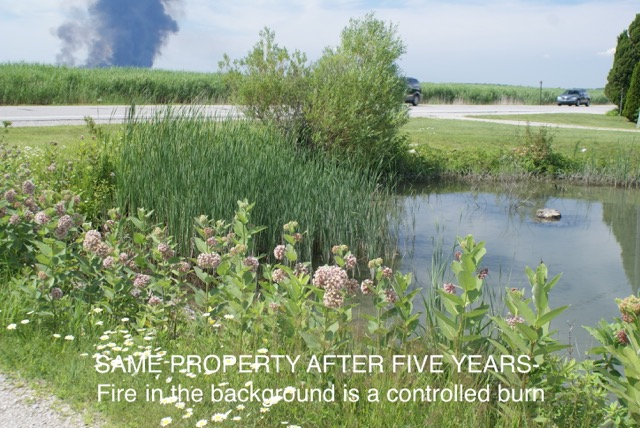
May 4 2015 Chuck Miller, Clay Township Phragmites Advisory Board Establishing a sustainable Phragmites management program depends on commitment from stakeholders. This commitment can be supported by helping stakeholders see the benefit of concerted action in their... Continue Reading
Filed under: funding landowners management Michigan partnerships Permits volunteers
by boxcar-admin | Mar 27, 2015 | Blog
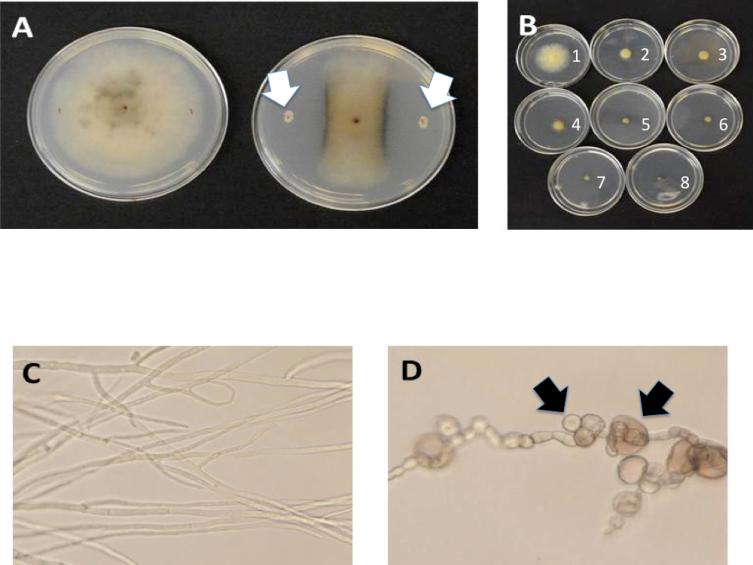
James F. White, Dept. of Plant Biology and Pathology, Rutgers University, New Brunswick, NJ, USA. Mónica S. Torres, Dept. of Plant Biology and Pathology, Rutgers University, New Brunswick, NJ, USA. Marcos Antônio Soares, Dept. of Botany and Ecology, Universidade... Continue Reading
Filed under: Research
by boxcar-admin | Mar 12, 2015 | Blog, Project Profiles, Success Stories
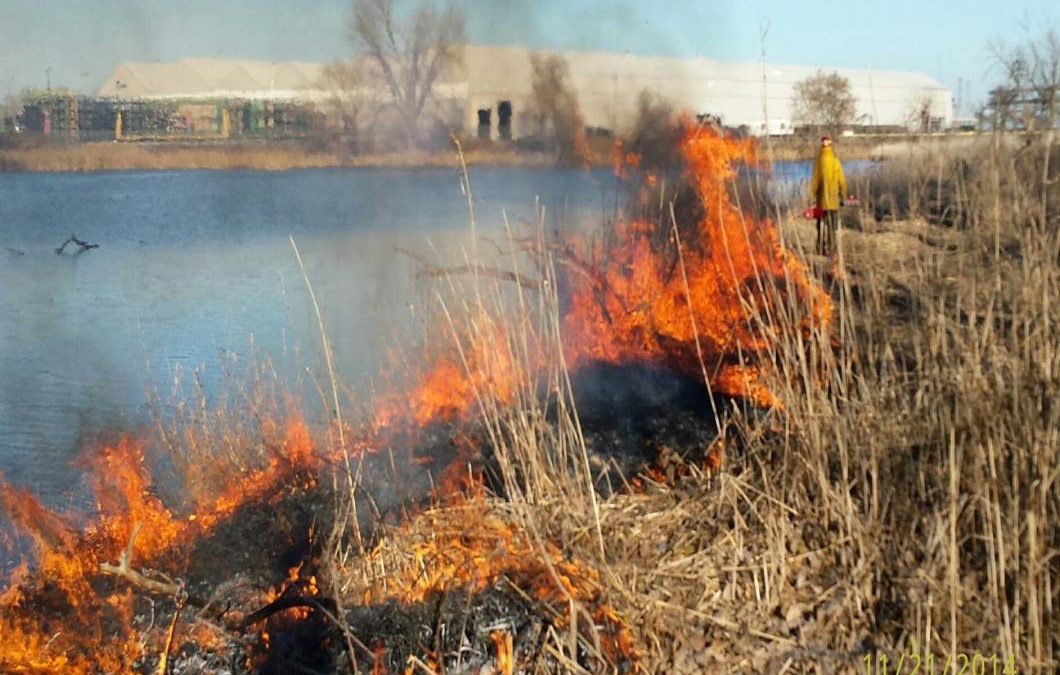
Linda Nelson and Andrew Kornacki, U.S. Army Corps of EngineersMarch 2015Phragmites australis (common reed) is one of the most troublesome invasive plants encountered on the U.S. Army Corps of Engineers (USACE) aquatic ecosystem restoration projects. The USACE Buffalo,... Continue Reading